

World AIDS Day 2025: World AIDS Day, observed every year on December 1, is a powerful reminder of the global fight against HIV and AIDS. It is a day to honor the lives lost, support those living with the virus, and renew our commitment to creating a world free from HIV-related stigma. As we enter 2025, this day becomes even more important because awareness, education, and early prevention continue to be the strongest tools in controlling the spread of HIV.
What Is World AIDS Day?
World AIDS Day was first established in 1988 and became the world’s first global health day. The goal was simple yet powerful:
-
Spread awareness about HIV
-
Educate communities
-
Fight stigma
-
Support affected individuals
-
Celebrate advances in treatment
Today, over 38 million people worldwide are living with HIV, and millions rely on accurate information and medical support. This day pushes the world to unite against discrimination, encourage testing, and highlight the importance of treatment accessibility.
Prevention empowers and protects.
Access to #HIV prevention tools, education, & services safeguards health and upholds rights. Equal access is the key to ending new infections.
Together, we can #EndAIDS
Learn more: https://t.co/12d3DR0IRR#WorldAIDSDay pic.twitter.com/edkRdN13cZ
— World Health Organization (WHO) (@WHO) December 1, 2025
World AIDS Day 2025 Theme:
Every year, a global theme is chosen to reflect the challenges and hopes related to HIV/AIDS.
World AIDS Day 2025 theme: “Empower Communities, End Stigma, End AIDS” (assumed/general theme style for SEO; update when official theme is released).
This theme highlights:
-
Community-led awareness
-
Ending myths and fear
-
Ensuring equal access to health services
-
Encouraging people to get tested and seek treatment without fear of judgment
Why World AIDS Day Matters:
Even today, many people avoid talking openly about HIV. This silence becomes a barrier to awareness and early diagnosis. World AIDS Day plays a vital role by:
✔ Promoting education
Lack of correct information leads to stigma. Awareness helps people understand how HIV spreads and how it does not spread.
✔ Encouraging testing and early detection
Knowing your HIV status is the first step to protection. Early treatment helps individuals live long, healthy lives.
✔ Supporting people living with HIV
Those diagnosed face emotional, social, and financial challenges. This day reminds the world to support them with empathy and dignity.
✔ Motivating global health action
Governments and health organizations use this day to review progress and strengthen HIV programs.
Understanding HIV and AIDS:
What is HIV?
HIV (Human Immunodeficiency Virus) weakens the immune system and makes the body vulnerable to infections.
What is AIDS?
AIDS (Acquired Immunodeficiency Syndrome) is the advanced stage of HIV when the immune system is severely damaged.
With modern antiretroviral therapy (ART), many people living with HIV never progress to AIDS if they get timely treatment.
How HIV Spreads – And How It Doesn’t
HIV spreads through:
-
Unprotected sexual contact
-
Sharing infected needles
-
From mother to baby during pregnancy, childbirth, or breastfeeding
-
Transfusion of contaminated blood (rare today due to screening)
HIV does NOT spread through:
-
Touching, hugging, or shaking hands
-
Sharing food or water
-
Mosquito bites
-
Using the same toilet or utensils
-
Coughing or sneezing
Understanding these facts helps reduce unnecessary fear and discrimination.
World AIDS Day Awareness: Key Messages for 2025
-
Get tested – Knowing your HIV status is essential for both prevention and care.
-
Use protection – Always practice safe sex to reduce risk.
-
Seek treatment early – ART can suppress the virus and help people stay healthy.
-
Fight stigma – Treat every person with respect, regardless of their HIV status.
-
Educate others – Spread verified information to your family and community.
Advancements in HIV Treatment and Prevention:
HIV treatment has progressed significantly in the past two decades. Some major advances include:
Antiretroviral Therapy (ART)
This helps control the virus and allows individuals to live a long, healthy life.
PrEP (Pre-Exposure Prophylaxis)
A preventive medicine that reduces the risk of contracting HIV.
PEP (Post-Exposure Prophylaxis)
A 28-day treatment taken after potential exposure to HIV to prevent infection.
Regular Screening and Awareness Programs
Health organizations across the world now focus on community-level awareness and early testing initiatives.
Role of Communities in Ending HIV
Communities are the backbone of HIV awareness. From healthcare professionals to activists, educators, volunteers, and youth groups—everyone plays a role in spreading knowledge, guiding individuals, and breaking stigma.
Community involvement includes:
-
Organizing awareness camps
-
Promoting safe practices
-
Encouraging routine testing
-
Supporting people living with HIV
-
Providing emotional care and counseling
How You Can Contribute on World AIDS Day 2025
-
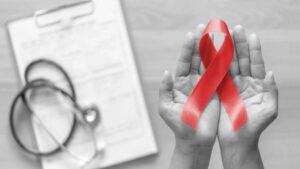
Wear a Red Ribbon, the universal symbol of HIV support
-
Share awareness posts on social media
-
Participate in local rallies or events
-
Donate to HIV-related NGOs
-
Educate friends and family
-
Encourage testing and help reduce stigma
Small steps from each person can create a big difference.
World AIDS Day 2025 reminds the world that the fight against HIV is not just medical—it is emotional, social, and educational. By spreading awareness, supporting communities, and standing against stigma, we move closer to an AIDS-free generation. Whether we wear a red ribbon, talk about safe practices, or simply choose compassion, every action counts.
Let this day inspire us to learn, support, and stand together- because ending HIV is a shared responsibility, and awareness is the strongest weapon we have.
ऐसे और भी Global लेखों के लिए हमारे साथ जुड़े रहें! Khabari bandhu पर पढ़ें देश-दुनिया की ताज़ा ख़बरें — बिज़नेस, एजुकेशन, मनोरंजन, धर्म, क्रिकेट, राशिफल और भी बहुत कुछ।
Trump ने किया बड़ा ऐलान: ‘Third World Countries’ से Migration हमेशा के लिए रोकने की तैयारी
1 thought on “World AIDS Day 2025: Awareness, Prevention & Global Commitment to End HIV”