
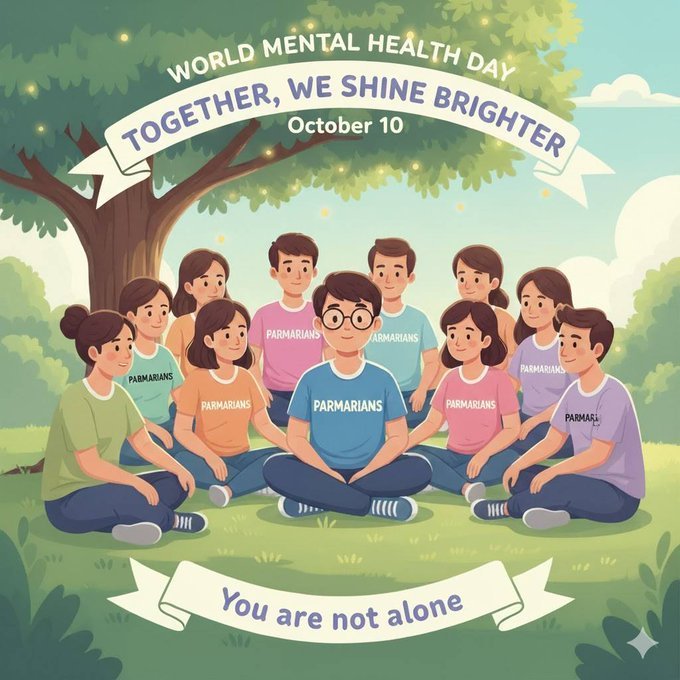
World Mental Health Day 2025: Every year on October 10, the world unites to observe World Mental Health Day—a day dedicated to raising awareness about mental health issues and mobilizing efforts to support mental well-being globally. In 2025, the theme is “Access to Services – Mental Health in Catastrophes and Emergencies,” underscoring the critical need for mental health support during times of crisis.
Understanding the 2025 Theme:
The 2025 theme highlights the importance of providing mental health services during disasters and emergencies. Conflicts, natural disasters, and health emergencies can have a profound impact on individuals’ mental health. It’s estimated that approximately one in five people in conflict-affected areas experiences a mental health condition, often characterized by fear, anxiety, or sadness. Experiencing such emotions in these circumstances is a normal reaction to very stressful events.
Beyond basic needs like food, water, and medicine, survivors also require mental health and psychosocial support to cope, recover, and rebuild their lives. Integrating mental health services into emergency response not only saves lives but also strengthens communities and health systems for the future.
The Global Mental Health Crisis:
Globally, mental health disorders are on the rise. Over one billion people worldwide are living with mental health conditions, including anxiety and depression. Adolescents are particularly vulnerable, with one in seven aged 10–19 years experiencing a mental disorder. In conflict zones, the situation is even more dire, with mental health conditions affecting a significant portion of the population. Despite the growing need, access to mental health services remains limited. Many regions, especially low-income countries, lack the necessary infrastructure and trained professionals to provide adequate care. This disparity highlights the urgent need for global investment in mental health services, particularly in areas prone to crises.
The Role of Technology in Mental Health Support:
In recent years, technology has emerged as a powerful tool in delivering mental health services. Digital platforms can bridge the gap in areas with limited access to traditional healthcare facilities. Telemedicine, online counseling, and mental health apps are increasingly being used to provide support to individuals in remote or underserved regions.
However, while technology offers promising solutions, it also presents challenges. Issues like digital literacy, internet accessibility, and data privacy concerns need to be addressed to ensure these tools are effective and equitable. It’s essential to integrate technology into mental health strategies thoughtfully and inclusively.
Mental Health in Humanitarian Emergencies:
Humanitarian emergencies, such as natural disasters and armed conflicts, often lead to widespread psychological distress. Individuals may experience trauma, loss, and displacement, all of which can have lasting effects on mental health. Providing timely and appropriate mental health care in these situations is crucial for recovery and rebuilding.
Organizations like the World Health Organization (WHO) emphasize the importance of integrating mental health services into emergency responses. This approach ensures that mental health is not sidelined during crises but is treated as an essential component of humanitarian aid.
The Importance of Community Support:
While professional mental health services are vital, community support plays a significant role in individual well-being. Communities can provide a sense of belonging, reduce feelings of isolation, and offer practical assistance during times of crisis. Strengthening community networks and fostering social cohesion can enhance resilience and improve mental health outcomes.
Initiatives that promote mental health awareness, reduce stigma, and encourage open conversations about mental well-being can empower individuals to seek help and support one another.
Call to Action:
As we observe World Mental Health Day 2025, it’s a reminder that mental health is a fundamental human right. Access to mental health services should be available to all, especially during times of crisis. Governments, organizations, and individuals must work together to ensure that mental health is prioritized in emergency responses and that support is accessible to those in need.
By investing in mental health services, integrating them into emergency preparedness plans, and fostering supportive communities, we can build a more resilient and compassionate world. Let this World Mental Health Day be a catalyst for change, advocating for the mental well-being of all individuals, regardless of their circumstances.
World Mental Health Day 2025 serves as a poignant reminder of the critical need for accessible mental health services during emergencies. As we face an increasingly complex global landscape, it’s imperative to prioritize mental health in our collective response to crises. Only through concerted efforts can we ensure that mental health support is available to all, fostering recovery, resilience, and hope for the future.
ऐसे और भी Global लेखों के लिए हमारे साथ जुड़े रहें! Khabari bandhu पर पढ़ें देश-दुनिया की ताज़ा ख़बरें — बिज़नेस, एजुकेशन, मनोरंजन, धर्म, क्रिकेट, राशिफल और भी बहुत कुछ।
नोबेल शांति पुरस्कार 2025: इतिहास, महत्व और विवादों के बीच उम्मीद की नई किरण
1 thought on “World Mental Health Day 2025: Ensuring Access to Mental Health Services in Emergencies”