
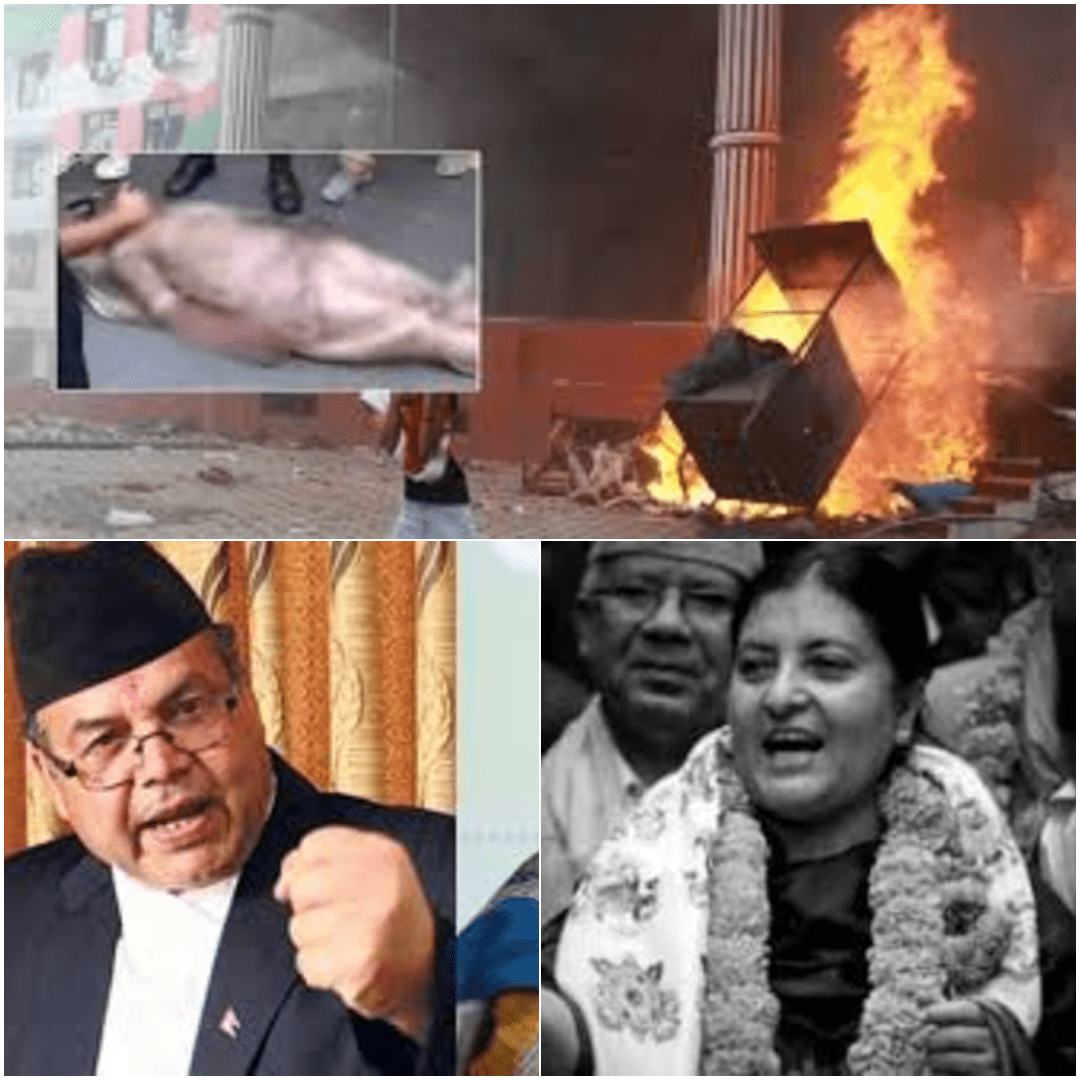
Wife of Former Nepal PM Jhala Nath Khanal Rajyalaxmi Chitrakar dies: Nepal is in the grip of one of its darkest political and social crises in recent history. Protests that began with anger over a government ban on social media platforms have spiraled into violent demonstrations, the resignation of Prime Minister K.P. Sharma Oli, and widespread destruction in the capital, Kathmandu. Amid this turmoil, one story has struck the nation with particular force: the tragic death of Rajyalaxmi Chitrakar, the wife of former Prime Minister Jhala Nath Khanal. Her passing has become both a symbol of the human cost of unchecked violence and a stark reminder of how political instability can destroy innocent lives.
Who Was Rajyalaxmi Chitrakar?
Rajyalaxmi Chitrakar was best known to the public as the wife of veteran communist leader and former Prime Minister Jhala Nath Khanal, a significant figure in Nepal’s left-wing politics. Unlike her husband, she stayed largely out of the public eye, leading a private life dedicated to family. In many ways, she represented countless Nepali women who have stood quietly beside political leaders through decades of upheaval.
Her death has jolted the nation precisely because she was not a politician or a protester—she was an ordinary citizen caught in extraordinary circumstances.
The Fateful Night:
On September 9, 2025, as protests escalated in Kathmandu, demonstrators turned their anger toward political leaders and their homes. In the Dallu area of the capital, where Khanal’s residence is located, a mob set the property ablaze. Inside the house was Rajyalaxmi Chitrakar.
Trapped as the flames spread, she sustained critical burn injuries, including severe damage to her lungs from smoke inhalation. Despite frantic rescue efforts, she was rushed to Kirtipur Burn Hospital in critical condition. Hours later, she succumbed to her injuries.
Her death was confirmed by hospital authorities and quickly spread across the media, shocking both supporters and critics of the political establishment.
Protests Beyond Control:
The violence that claimed her life erupted from what began as digital activism. Nepal’s government had abruptly banned 26 major social media platforms, including Facebook, WhatsApp, Instagram, YouTube, and X. For the country’s youth—who make up more than half the population—this move was seen as an attempt to muzzle free speech.
Within days, thousands of young Nepalis, led largely by Generation Z, poured onto the streets. Initially peaceful, the protests soon turned violent as demonstrators clashed with security forces. Buildings were torched, barricades erected, and the heart of Kathmandu descended into chaos.
The crackdown was equally severe. Police and military units deployed tear gas, rubber bullets, and even live ammunition. By the time Prime Minister Oli announced his resignation, at least 19 people had been killed and hundreds injured. The situation, far from calming, continued to spiral.
Symbol of the Human Cost:
Rajyalaxmi Chitrakar’s death stands apart from the political symbolism of burning parliament buildings or storming government offices. She was not a decision-maker. She bore no direct responsibility for corruption or failed policies. Her only “crime” was being the spouse of a political figure whose residence became a target for angry crowds.
Her passing has forced both citizens and protesters to confront a difficult truth: the line between righteous anger and blind violence is fragile. What began as a movement for accountability and justice now risks being remembered for needless loss and destruction.
Reactions from Leadership:
In the aftermath, President Ram Chandra Poudel appealed for calm, urging protesters and political leaders alike to come to the table for dialogue. He emphasized that while grievances must be heard, violence cannot be the path forward.
The Nepali Army also issued statements condemning the attack, pledging to protect citizens and property while working to restore order. Yet, the presence of soldiers patrolling Kathmandu’s streets has also raised fears of prolonged militarization of civilian spaces.
Internationally, human rights groups have condemned the killing and the larger violence, calling for impartial investigations. India and other regional powers have expressed concern about the escalating instability so close to their borders.
A Country at a Crossroads:
The death of Rajyalaxmi Chitrakar underscores the dangerous fragility of Nepal’s current situation. Political instability has long plagued the country, with more than a dozen governments since the republic was established in 2008. Corruption, nepotism, and chronic unemployment—especially among the youth—have eroded trust in the political system.
For many young Nepalis, the protests are not just about social media but about decades of disillusionment. Yet, the violence that has claimed innocent lives threatens to overshadow the legitimacy of their demands.
The tragedy has forced a national reckoning: can Nepal’s citizens channel their anger into constructive reform, or will the cycle of rage and retaliation continue?
The Way Forward:
Moving beyond this crisis will require more than leadership changes. Oli’s resignation has created a vacuum, but unless new leaders—potentially from outside the traditional political elite—step forward with credible promises of reform, the unrest will likely persist.
Figures like Kathmandu Mayor Balendra Shah (Balen) are being looked to as symbols of transparency and hope. Civil society leaders, including activists like Sudan Gurung, are also emerging as influential voices. However, translating grassroots anger into institutional reform remains a monumental challenge.
At the same time, protesters must confront the dangers of unchecked violence. The death of Rajyalaxmi Chitrakar cannot be dismissed as collateral damage. If the movement is to sustain moral legitimacy, it must reject the targeting of innocents and ensure that the demand for justice does not devolve into vengeance.
The story of Rajyalaxmi Chitrakar is a heartbreaking reminder that in times of political unrest, it is often ordinary lives that pay the highest price. Her death, in the flames of a house meant to be a home, highlights both the urgency of Nepal’s crisis and the recklessness of its current trajectory.
Nepal now stands at a historic turning point. The anger of its youth cannot be ignored, but neither can the dangers of violence spiraling out of control. Whether the country emerges from this tragedy with renewed hope or deeper scars will depend on the choices its leaders—and its people—make in the critical days ahead.
ऐसे और भी Global लेखों के लिए हमारे साथ जुड़े रहें! Khabari bandhu पर पढ़ें देश-दुनिया की ताज़ा ख़बरें — बिज़नेस, एजुकेशन, मनोरंजन, धर्म, क्रिकेट, राशिफल और भी बहुत कुछ।
3 thoughts on “Wife of Former Nepal PM Jhala Nath Khanal Rajyalaxmi Chitrakar Dies in Protest Violence”