
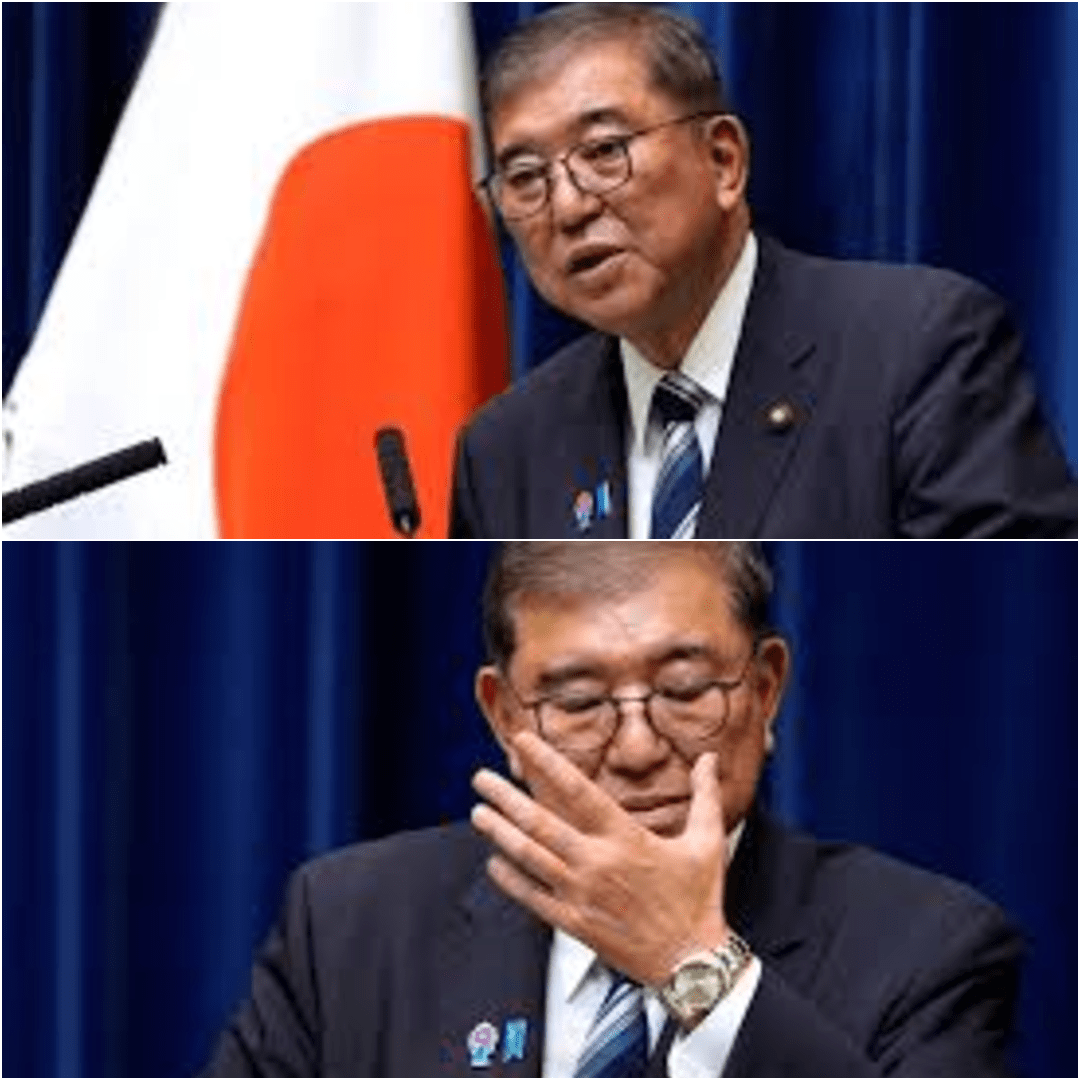
Shigeru Ishiba Resigns: Shigeru Ishiba, born February 4, 1957, hails from Tottori Prefecture in western Japan. A scion of a political family—his father, Jirō Ishiba, served as governor of Tottori and later as Minister for Home Affairs—Shigeru studied law at Keio University before diving into a political career that began in 1986 at just 29 years old.
He built a reputation as a “maverick” within the long-dominant Liberal Democratic Party (LDP), known for speaking his mind—even when that meant challenging party orthodoxy. He served in several prominent posts, including as Minister of Defense (2007–08), Minister of Agriculture, Forestry and Fisheries (2008–09), and as LDP Secretary-General (2012–14).
Rise to the Prime Ministership:
In September 2024, after Fumio Kishida announced he wouldn’t seek re-election as LDP leader, Ishiba won the party’s leadership contest in a surprise upset over Sanae Takaichi. His victory, dubbed “Ishibamania,” came after his fifth attempt at the leadership.
He officially took office as Prime Minister on October 1, 2024. One of his key foreign engagements early in his term was a trip to the United States, where he met with President Donald Trump—bringing with him a distinctive golden samurai helmet from his home district as a symbolic gift.
A Bold Vision Meets Political Reality:
Ishiba was known for ambitious foreign policy ideas. He proposed a concept for an “Asian NATO” to deter regional threats—framed by the famous analogy “Ukraine today, Asia tomorrow.” He also floated constitutional reforms, including potential revisions to Article 9 to enable Japan to take on a broader defense role.
Domestically, however, Ishiba faced serious challenges. His popularity among public voters didn’t translate into electoral wins for the ruling coalition. In July 2025, his LDP–Komeito coalition lost its majority in the Upper House—part of a broader string of electoral setbacks that stretched back to the 2024 general election.
Exit After Less Than a Year:
On September 7, 2025, Ishiba finally announced his resignation as both LDP president and prime minister—a term that lasted less than a year in office.
He framed the timing of his resignation around the conclusion of a significant U.S.–Japan trade deal, positioning it as a fitting moment to pass the baton and avoid further intra-party conflict.
However, electoral losses—driven by rising costs of living like inflation, especially soaring rice prices—made his position untenable. Amid internal pressure from party heavyweights like former PMs Taro Aso and Yoshihide Suga, and rising division within the LDP, he ultimately stepped down.
What’s Next, and Why It Matters:
Ishiba’s resignation triggered an emergency LDP leadership election, scheduled for early October 2025, to determine his successor.
Key contenders include:
-
Sanae Takaichi, a conservative veteran who opposes interest rate hikes and advocates massive fiscal stimulus. If chosen, she would become Japan’s first female prime minister—but her views risk unsettling markets.
-
Shinjiro Koizumi, 44, former agriculture minister who dealt with rice price issues and would become the youngest modern-era PM.
-
Yoshimasa Hayashi, the fluent-English-speaking Chief Cabinet Secretary with experience in defense, foreign affairs, and trade.
Markets have reacted with anxiety as uncertainty grows. The yen has dropped, and bond yields have climbed—investors anticipate potential expansionary spending under someone like Takaichi, adding to Japan’s already heavy debt burden.
The Broader Significance:
Ishiba’s resignation highlights recurring volatility in Japanese politics. His exit after less than a year is symptomatic of the instability that’s gripped the premiership in recent decades. Analysts warn the shift could accelerate populist sway and exacerbate fiscal pressures.
It also raises questions for regional dynamics: what direction will Japan’s foreign policy take amid tensions with China, changing U.S. alliances, and looming events like G7, APEC, and G20 summits coming later in 2025?
Summary:
| Theme | Details |
|---|---|
| Background | Career politician from a political family; known as a reform-minded maverick. |
| Rise to Power | Won LDP leadership in September 2024; became PM in October 2024. |
| Ambitions | Promoted constitutional reform, regional security frameworks, and strong U.S. ties. |
| Challenges | Suffered significant electoral losses; public dissatisfaction over the cost of living. |
| Resignation | Announced September 7, 2025, after completing a U.S.–Japan tariff deal. |
| What’s Next | LDP leadership race in October; contenders include Takaichi, Koizumi, and Hayashi. |
| Significance | Political instability, fiscal uncertainty, and potential shifts in foreign and economic policy. |
ऐसे और भी Global लेखों के लिए हमारे साथ जुड़े रहें! Khabari bandhu पर पढ़ें देश-दुनिया की ताज़ा ख़बरें — बिज़नेस, एजुकेशन, मनोरंजन, धर्म, क्रिकेट, राशिफल और भी बहुत कुछ।
Russia Groundbreaking Cancer Vaccine Enteromix Shows 100% Efficacy in Early Trials
1 thought on “Shigeru Ishiba Resigns: Why Japan’s Prime Minister Stepped Down After Less Than a Year”