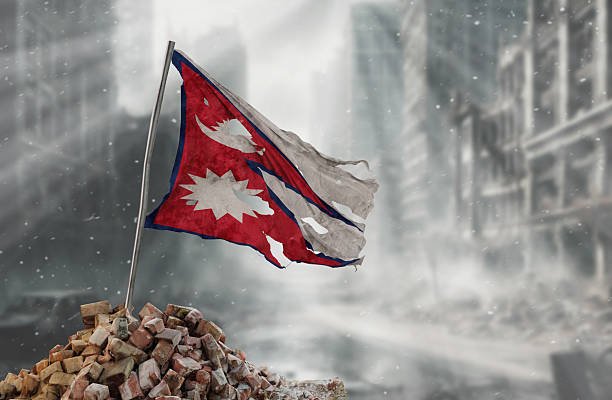
Nepal Social Media Ban: Kathmandu, September 8, 2025, In a sweeping and controversial move, Nepal’s government has blocked access to 26 major social media and messaging platforms, including Facebook, Instagram, WhatsApp, X (formerly Twitter), and YouTube, citing their failure to register with authorities under the Directive for Regulating the Use of Social Media, 2023.

Government’s Justification and Legal Backing:
On September 4, 2025, the Ministry of Communications and Information Technology directed the Nepal Telecommunications Authority (NTA) to deactivate unregistered platforms, following a legitimizing directive from the Supreme Court to regulate online services.
Minister Prithvi Subba Gurung emphasized that companies had been notified multiple times, with a final seven-day deadline starting August 28, after which those failing to register would be blocked, effective September 4.
Platforms like TikTok, Viber, WeTalk, Nimbuzz, Popo Live met the requirements and remain accessible, while Telegram and Global Diary are awaiting approval.
Broad Impact: From Daily Life to National Economy
The shutdown affected everyday communication, business, and tourism, sparking widespread public discontent. A significant portion of Nepalese users, including international students and migrant workers, lost access to essential communication tools, leaving millions unable to connect with loved ones or continue livelihoods that relied heavily on these platforms.
The National Human Rights Commission (NHRC) condemned the move, warning it undermined fundamental democratic freedoms, including freedom of expression and the right to information. The NHRC urged the government to rethink the blanket approach and seek more nuanced, rights-compatible regulatory measures.
Escalation: Youth-Led Protests and Deadly Clashes
Anger escalated on September 8, as thousands, particularly Gen Z, gathered outside the parliament in Kathmandu to protest the ban and what they perceive as government corruption and authoritarian overreach.
Protesters waved slogans like “Shut down corruption, not social media” as they tried to breach security barricades. The police responded with tear gas, water cannons, rubber bullets, and batons to disperse the crowds; a curfew was imposed near the parliament until 10 p.m. local time.
Tragically, the confrontations turned deadly. Reports vary, but the toll reached at least 14 to 19 fatalities, with up to over 200 injured.
Political Fallout and Human Rights Alerts
In the wake of the violence, Nepal’s Home Minister Ramesh Lekhak tendered his resignation. Meanwhile, the United Nations demanded an immediate investigation into the crackdown and raised serious concerns over the government’s handling of dissent.
Rights organizations and media outlets sharply criticized the ban as a thinly veiled attempt to suppress dissent and limit democratic discourse under the guise of legal compliance and digital regulation.
A Global Trend or Regional Anomaly?
Nepal’s actions reflect a growing global pattern, as governments, from India to the EU, seek tighter control over digital speech and platform accountability. Yet critics argue that Nepal’s abrupt, sweeping ban marks a troubling escalation, highlighting the tension between oversight, security, and civil liberties.
What Lies Ahead?
-
Platforms may regain access if they comply, registering, appointing liaison officers, grievance handlers, and enabling self-regulation.
-
Civil and political pressure mounts for moderation over outright bans; the NHRC and global observers advise more balanced regulation.
-
Social stability is precarious as youth-led movements grow frustrated with governmental repression.
-
Legal scrutiny intensifies, with calls for independent investigations and judicial review of both policy and police actions.
Nepal now stands at a crossroads, balancing between digital governance and democratic rights, between controlling online harm and suffocating public discourse. The world watches to see whether this will become a model of enforced compliance or a cautionary tale of democratic erosion through digital shutdown.
ऐसे और भी Global लेखों के लिए हमारे साथ जुड़े रहें! Khabari bandhu पर पढ़ें देश-दुनिया की ताज़ा ख़बरें — बिज़नेस, एजुकेशन, मनोरंजन, धर्म, क्रिकेट, राशिफल और भी बहुत कुछ।
Shigeru Ishiba Resigns: Why Japan’s Prime Minister Stepped Down After Less Than a Year
Really interesting read! Slot games are so much fun, and it’s great to see platforms like big bunny games catering specifically to the Philippines market. Easy access via app or browser is a huge plus! 👍