
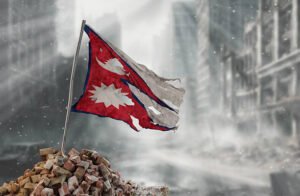
KP Sharma Oli Resigns: Nepal, a country known for its resilience and stunning natural landscapes, is now witnessing one of the most turbulent chapters in its political history. The resignation of Prime Minister K.P. Sharma Oli on September 9, 2025, marks the culmination of days of violent protests, youth-led unrest, and a growing cry against corruption and inequality. What started as resistance against a controversial social media ban has escalated into a generational uprising, challenging the very foundations of Nepal’s governance.
The Spark: A Social Media Ban:
The government’s abrupt decision to ban 26 major social media platforms, including Facebook, Instagram, WhatsApp, YouTube, and X, triggered the initial outrage. Officials defended the ban by claiming that these platforms had failed to comply with registration rules, but for ordinary Nepalis—especially young people—it was seen as censorship and an attack on their freedom of expression.
For Generation Z, social media is more than entertainment. It is a lifeline to education, opportunities, and global connection. Cutting off these platforms felt like an attempt to silence dissent and push citizens back into isolation. Within hours, demonstrations erupted in Kathmandu and other cities, quickly spreading across the country.
Protests Turn Deadly:
The protests, initially peaceful, soon escalated into violent confrontations. Large crowds stormed government offices, including the parliament building, the prime minister’s residence, and even parts of the Supreme Court. In some cases, these buildings were set ablaze, symbolizing the public’s fury at a political class accused of corruption and nepotism.
Security forces responded with tear gas, batons, rubber bullets, and eventually live ammunition. The clashes resulted in at least 19 deaths and hundreds of injuries. Images of young students, many still in school uniforms, facing armed police, shocked the world and galvanized the movement further. Human rights groups immediately condemned the excessive use of force, demanding independent investigations.
KP Sharma Oli Resigns:
As the violence escalated and international pressure mounted, Prime Minister K.P. Sharma Oli had little choice but to step down. His resignation was announced on September 9, 2025, leaving the nation in political limbo. While Oli attempted to calm tensions by offering compensation for victims’ families and announcing an investigative committee, these measures did little to pacify an angry population.
Oli’s downfall was not solely about the social media ban. For years, his leadership faced criticism for failing to address economic stagnation, rampant unemployment, and entrenched corruption. The youth, in particular, felt betrayed by a system that offered them few opportunities. At the same time, political elites enriched themselves and passed privileges to their children—the so-called “Nepo Kids” who became a rallying cry of the movement.
Rise of a New Youth Movement:
At the heart of this uprising is a digitally savvy, determined Generation Z. Leaders like Sudan Gurung, founder of the NGO Hami Nepal, utilized alternative platforms like Instagram and Discord to mobilize protests and coordinate relief efforts for injured demonstrators. The movement has no single leader but thrives on collective anger and grassroots organization.
Another figure gaining attention is Kathmandu’s popular mayor, Balendra Shah—widely known as Balen—who is seen as a symbol of change and transparency. Although he has not formally taken charge of the protests, his image resonates with the frustrated youth seeking alternatives to the old political order.
Military Intervention and State Crackdown:
With Oli gone, the government called in the army to restore order in Kathmandu and other major cities. Soldiers now patrol the streets, and strict curfews remain in place. Dozens of protest leaders have been detained, though this has only intensified resentment. The militarization of the crisis highlights the fragility of Nepal’s democracy and raises fears of deeper instability.
The unrest has also disrupted daily life. Flights to Kathmandu have been diverted to Indian cities such as Lucknow, creating chaos in regional air travel. Tourism, a vital source of Nepal’s income, has already taken a major hit as international travelers cancel plans. Border towns like Gorakhpur in India report sharp declines in business as the situation deteriorates.
Deeper Fault Lines Exposed:
The current upheaval is not an isolated event—it is the result of years of unaddressed problems. Since becoming a republic in 2008, Nepal has seen more than a dozen governments, each collapsing before implementing meaningful reforms. Political instability has bred cynicism among the public, and corruption scandals have further eroded trust.
The economy, meanwhile, struggles to provide opportunities for its large youth population. Unemployment and underemployment remain stubbornly high, forcing many young Nepalis to seek work abroad. The social media ban, in this context, became the final straw—symbolizing a leadership out of touch with the realities of its people.
What Lies Ahead?
Nepal now stands at a crossroads. Oli’s resignation has created a power vacuum, and talks are underway to form a caretaker government. Protesters, however, are demanding much more than a change of faces. They want systemic reform, accountability, and an end to the cycle of corruption.
The international community is watching closely. India, worried about instability spilling across the border, has urged dialogue and restraint. Human rights organizations are pressing for justice for those killed in the protests. The United Nations has called for calm and inclusive political talks.
But the real test lies within Nepal itself. Will the political elite heed the calls of its restless youth, or will it continue to paper over discontent with temporary fixes? The answer will shape the country’s future for decades to come.
The resignation of K.P. Sharma Oli is more than the fall of a prime minister—it is a wake-up call for Nepal’s democracy. Generation Z has shown that it will no longer remain silent in the face of corruption, inequality, and suppression. The protests have revealed a new force in Nepali politics: a digitally connected, politically aware, and fearless youth determined to reclaim their future.
Whether this movement leads to meaningful reform or descends into prolonged instability will depend on how leaders respond in the coming weeks. For now, one thing is clear: Nepal is at a turning point, and its young citizens are no longer content to wait on the sidelines of history.
ऐसे और भी Global लेखों के लिए हमारे साथ जुड़े रहें! Khabari bandhu पर पढ़ें देश-दुनिया की ताज़ा ख़बरें — बिज़नेस, एजुकेशन, मनोरंजन, धर्म, क्रिकेट, राशिफल और भी बहुत कुछ।