
Hurricane Melissa Slams Jamaica: In late October 2025, the Caribbean witnessed one of its most powerful storms in decades — Hurricane Melissa. What began as a tropical disturbance over the Atlantic Ocean rapidly evolved into a Category 5 monster, tearing through Jamaica with unprecedented fury. As the storm raged across the island, it left a trail of destruction, heartbreak, and urgent lessons about climate change, preparedness, and resilience.
The Birth of a Monster: From Tropical Storm to Category 5 Hurricane
Meteorologists first spotted Tropical Storm Melissa forming in the central Atlantic, with warm waters and unstable air creating ideal conditions for rapid growth. Within just 48 hours, the storm intensified into a hurricane — and then, alarmingly, into a Category 5 cyclone.
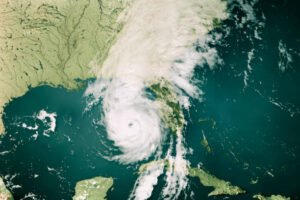
The speed of Melissa’s development stunned experts. Satellite data revealed that the system’s wind speeds jumped from 80 mph to over 180 mph in less than two days — a textbook case of rapid intensification. Such explosive growth has become increasingly common in the Atlantic basin due to warmer ocean temperatures, which serve as high-octane fuel for hurricanes.
By October 28, 2025, Hurricane Melissa had reached its peak intensity, with sustained winds of around 185 mph and a central pressure below 900 millibars, putting it among the most powerful storms ever recorded in the Caribbean region.
Landfall in Jamaica: Nature’s Wrath Unleashed
At around 3 p.m. local time on October 28, Melissa made direct landfall near Jamaica’s southwestern coast, striking close to the parishes of St. Elizabeth and Manchester. Within minutes, life on the island changed dramatically.
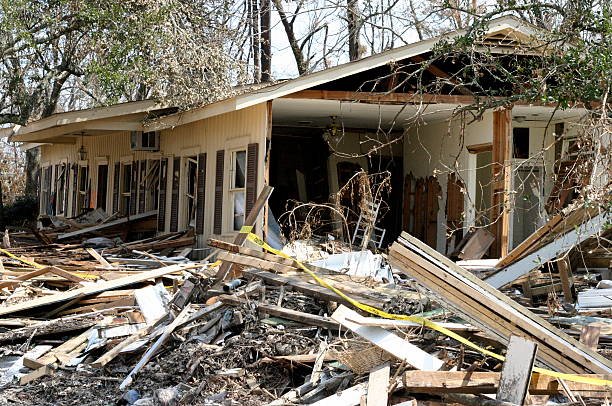
Winds tore through towns like a freight train, flattening homes, uprooting trees, and snapping power lines like twigs. Torrential rain poured down in relentless sheets, triggering flash floods and landslides in the island’s hilly interior. Entire neighborhoods were submerged under several feet of water as rivers burst their banks.
Witnesses described scenes of chaos – rooftops flying off, vehicles swept away, and families huddled in darkness as the sound of howling winds drowned out everything else. It was a night Jamaica will not soon forget.
The Human Impact: Loss, Courage, and Survival
The destruction left behind by Hurricane Melissa is immense. Thousands of homes have been damaged or destroyed, particularly in coastal areas where storm surges pushed seawater deep inland. Preliminary reports indicate that several lives have been lost, and many more are missing.
Hospitals across the island have been overwhelmed by the injured, with medical teams working tirelessly despite power outages and water shortages. Schools, community centers, and churches have been converted into temporary shelters for displaced families.
For many Jamaicans, Melissa has not only taken away homes but also livelihoods. Farmers have reported total losses of crops such as bananas, sugarcane, and coffee – staples of the Jamaican economy. Fishermen, too, face uncertainty, with boats destroyed and harbors filled with debris.
Yet amid the devastation, stories of bravery have emerged. Neighbors rescuing each other from flooded homes, volunteers distributing food and medical aid, and community leaders ensuring that no one is left behind. In times of crisis, Jamaica’s spirit of unity has once again shone through.
🇯🇲 Nature’s calm turns to chaos. Watch the devastation unfold on Threads.
1. Hurricane Melissa slams into Jamaica’s southern coast — 185 mph winds tearing through Black River. Homes erased, power gone, night screaming. pic.twitter.com/Cg5dQjw0aK
— Militant Tracker (@MilitantTracker) October 29, 2025
Why Was Melissa So Powerful?
The ferocity of Hurricane Melissa can be traced to one key factor — unusually warm ocean temperatures. The Caribbean Sea has been recording above-average heat levels, providing hurricanes with the energy they need to grow stronger and faster.
Scientists have warned for years that climate change would make storms like Melissa more frequent and intense. The combination of rising sea surface temperatures, high humidity, and favorable wind patterns allowed Melissa to explode in strength in record time.
Meteorologists also noted that the storm’s slow movement worsened the situation. Instead of quickly passing over the island, Melissa lingered – dumping heavy rain for hours, increasing the risk of flooding and landslides.
Hurricane Melissa Slams Jamaica: A Nation in Recovery
As the skies clear and rescue operations intensify, Jamaica now faces the long, painful road to recovery. The first task is restoring basic services — electricity, clean water, and communication networks — all of which have been severely disrupted.
Infrastructure damage is widespread. Major highways are blocked by fallen trees and landslides. Bridges have collapsed, cutting off access to rural communities. In the capital, Kingston, flooding has damaged several government buildings and business districts.
The Jamaican government has declared a national state of emergency, calling for international assistance. Relief agencies are already mobilizing food supplies, medical aid, and rescue teams. However, with airports and seaports still recovering from storm damage, logistics remain a major challenge.
Economic Fallout: Counting the Cost
Early estimates suggest that Hurricane Melissa could cause billions of dollars in damage – a devastating blow to Jamaica’s economy. Tourism, one of the country’s main sources of income, is expected to take a severe hit, as resorts along the coast have suffered major structural damage.
Agriculture, another crucial sector, is in ruins. Fields of sugarcane, coffee, and fruit trees have been flattened, threatening food security and export earnings. It may take years for farmers to fully recover.
Insurance companies, too, are bracing for record claims, and global aid organizations are preparing long-term recovery plans. For ordinary Jamaicans, however, the true cost of the storm will be measured not in money, but in the emotional toll of lost homes, lost memories, and lost hope.
Lessons from Melissa: Preparing for the Future
Hurricane Melissa is more than just another natural disaster — it is a warning. It underscores the urgent need for stronger disaster preparedness, climate resilience, and sustainable development in the Caribbean region.
Jamaica, like many island nations, is vulnerable to tropical storms. But with better early warning systems, improved building codes, and greater investment in resilient infrastructure, the damage from future hurricanes could be reduced.
Experts emphasize that communities must also be educated and empowered to respond quickly when disaster strikes. Evacuation drills, safe housing designs, and emergency stockpiles of food and water can make the difference between life and death.
A Glimmer of Hope:
Despite the destruction, hope endures. Around the world, governments, charities, and individuals are stepping forward to help Jamaica rebuild. Humanitarian organizations are already setting up supply lines, and financial assistance is being pledged for reconstruction.
As the island begins to heal, the resilience of its people stands as its greatest strength. Jamaicans have faced hurricanes before — Gilbert, Ivan, Dean — and each time, they have risen stronger than before.
Hurricane Melissa may have tested Jamaica’s endurance, but it has not broken its spirit. The nation’s unity, courage, and faith will guide it through this dark chapter toward recovery and renewal.
A Call for Global Awareness:
Hurricane Melissa is not just Jamaica’s tragedy — it is a reminder to the world of our shared vulnerability in an age of climate extremes. The storm’s unprecedented power reflects a planet in flux, where rising seas and warming air are rewriting the rules of weather.
As the world rallies around Jamaica, the message is clear: we can no longer ignore the climate crisis. The time to act — to reduce emissions, protect vulnerable communities, and invest in resilience — is now.
For Jamaica, the winds have calmed, but the work has just begun. The rebuilding of homes, hopes, and hearts will take time — but as history shows, no storm, no matter how fierce, can extinguish the Caribbean spirit.

ऐसे और भी Global लेखों के लिए हमारे साथ जुड़े रहें! Khabari bandhu पर पढ़ें देश-दुनिया की ताज़ा ख़बरें — बिज़नेस, एजुकेशन, मनोरंजन, धर्म, क्रिकेट, राशिफल और भी बहुत कुछ।
Amazon Layoffs 2025: What the Job Cuts Reveal About the Future of Work
1 thought on “Hurricane Melissa Slams Jamaica – A Wake-Up Call from the Caribbean Seas”